Ideas worked through carefully.
Technical explanations, research notes, and lessons from independent experiments. Each piece is reviewed for sources, originality, and limitations before publication.
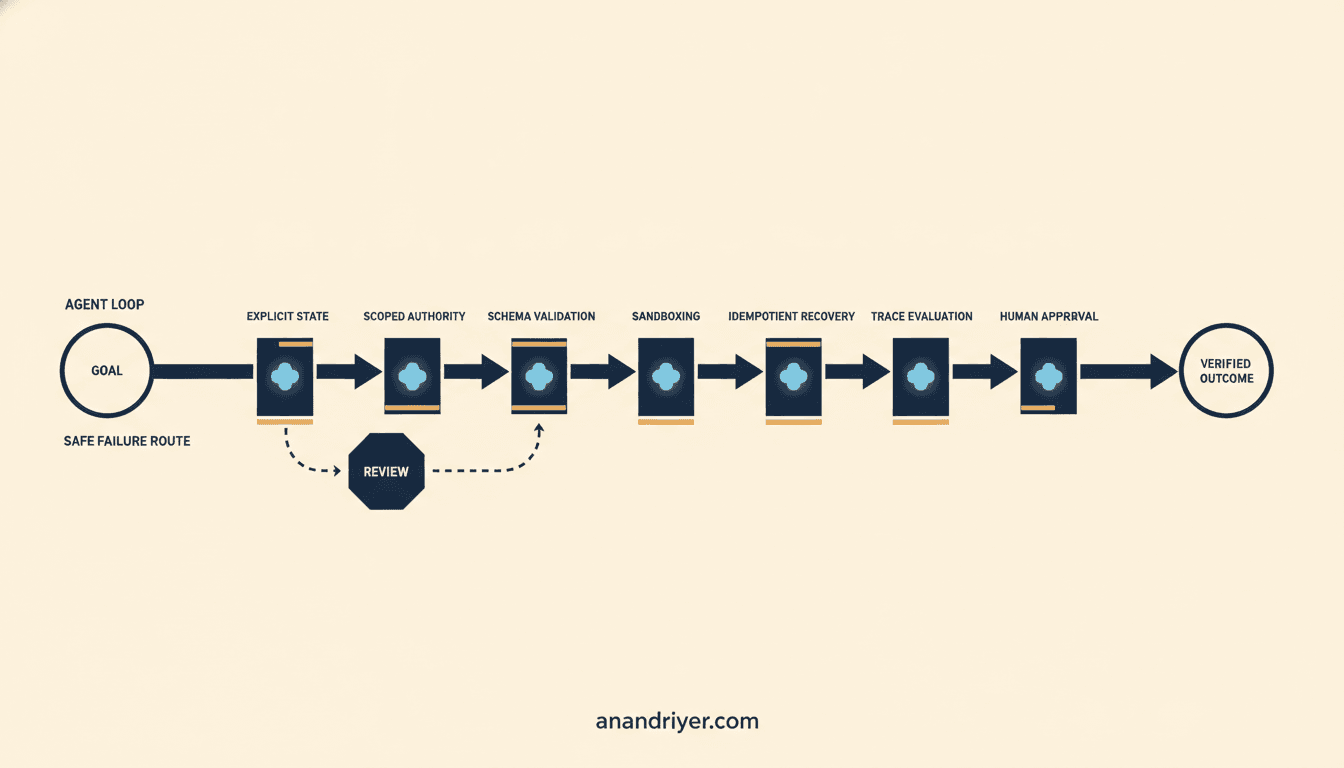
Reliable Agentic Systems: A Practical Engineering Guide
Build reliable agentic systems with bounded loops, scoped tools, idempotent actions, trace-based evals, recovery controls and human approval.
How often does Google show an AI Overview? What the data shows
I track how often Google shows an AI Overview across a fixed basket of everyday searches. At the latest scan, 88% did — and YouTube and Reddit were the most-cited sources.
Who blocks AI crawlers? What the top sites' robots.txt reveals
Weekly tracking of leading sites' robots.txt shows 53% now block at least one AI crawler — with news publishers around 90% and marketing sites barely at all.
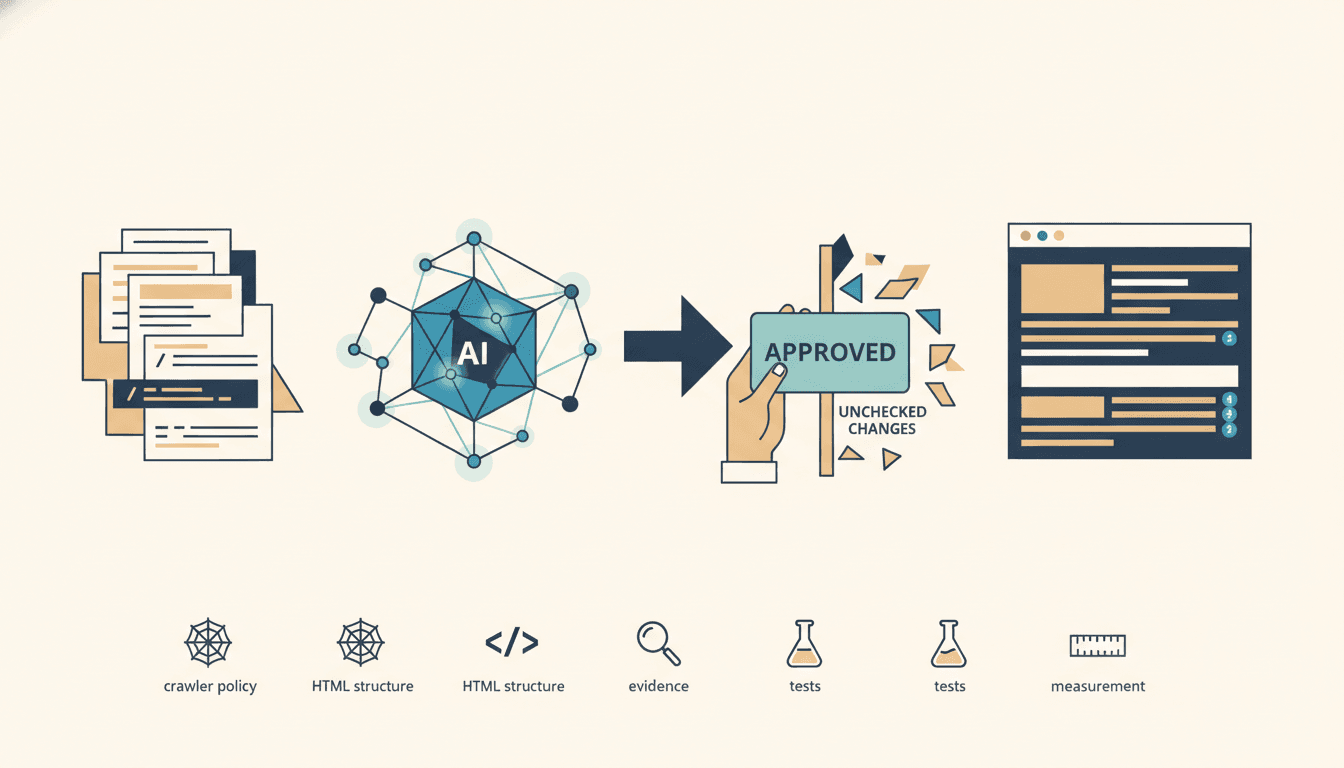
Use Claude Code to Optimize a Website for AI Search
A human-approved Claude Code workflow for AI SEO and GEO: audit crawler access, semantic HTML, evidence, structured data, tests, and citation visibility.
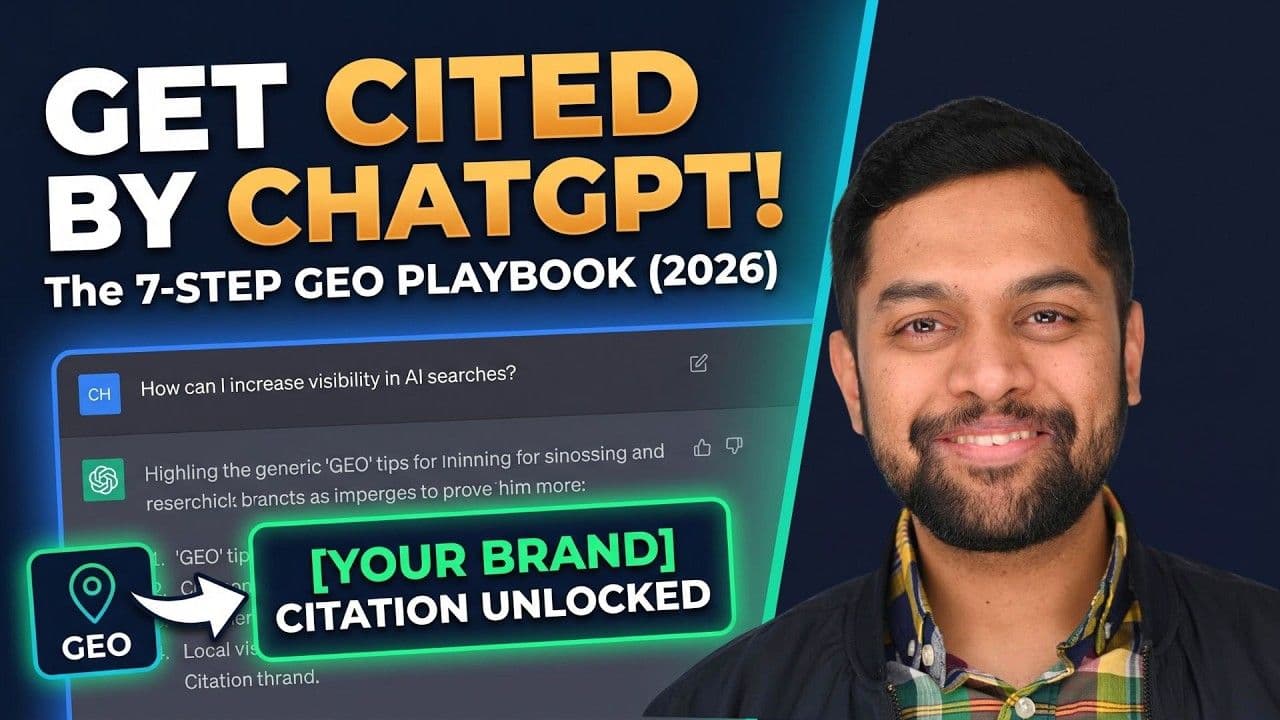
GEO Playbook 2026: Get Your Brand Cited by ChatGPT and AI Search
Unlock AI search visibility with a practical 7-step Generative Engine Optimization (GEO) playbook. Learn to audit, restructure content, and build a citation moat to get your brand cited by ChatGPT, Perplexity, and Google AI, leveraging the B2B buying shift towards AI discovery.
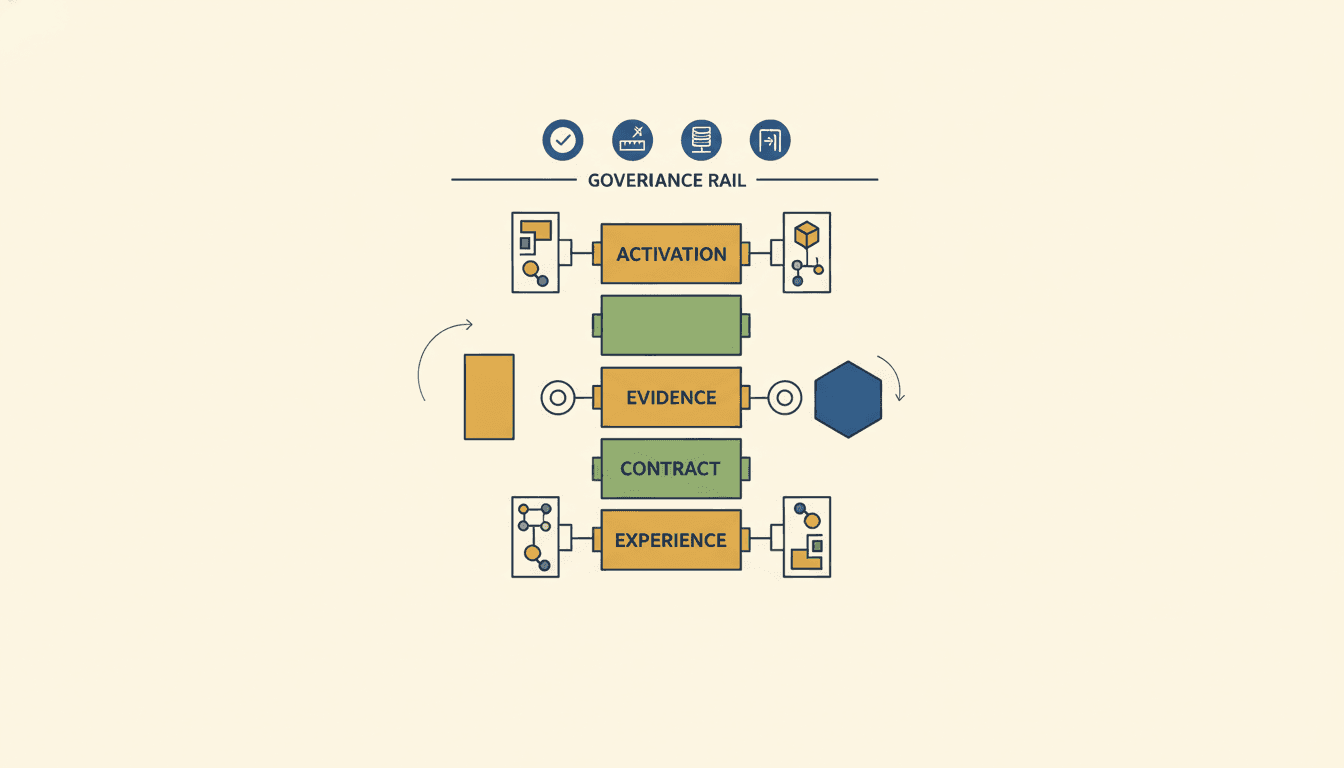
Sustainable Marketing Technology Stack for B2B Teams
Build a sustainable martech stack with a stable data spine, replaceable tools, a 90-day workflow, carbon evidence, and human approval controls.
Google Ads in 2026: An AI-Native Shift for Marketers
Discover the major Google Ads changes by 2026, including AI Max, Demand Gen, Asset Studio, Ask Advisor, and new measurement. Learn how AI orchestration impacts search, creative, and bidding, and get a 90-day plan to prepare your campaigns.
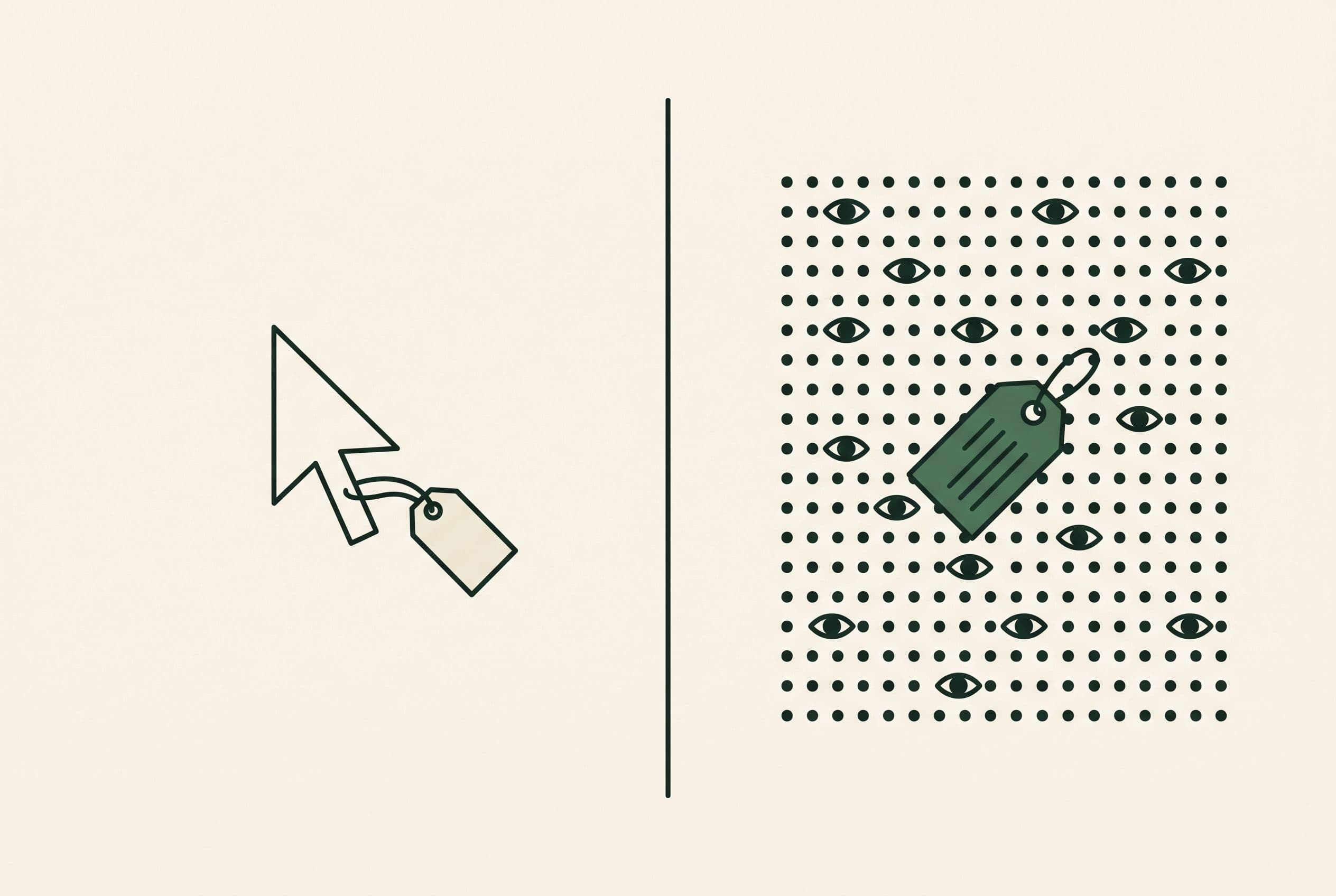
CPC vs CPM: which ad pricing model should you use?
CPC prices clicks, CPM prices impressions — and they're linked by click-through rate. Here's how to read each, how they connect, and when to choose which.
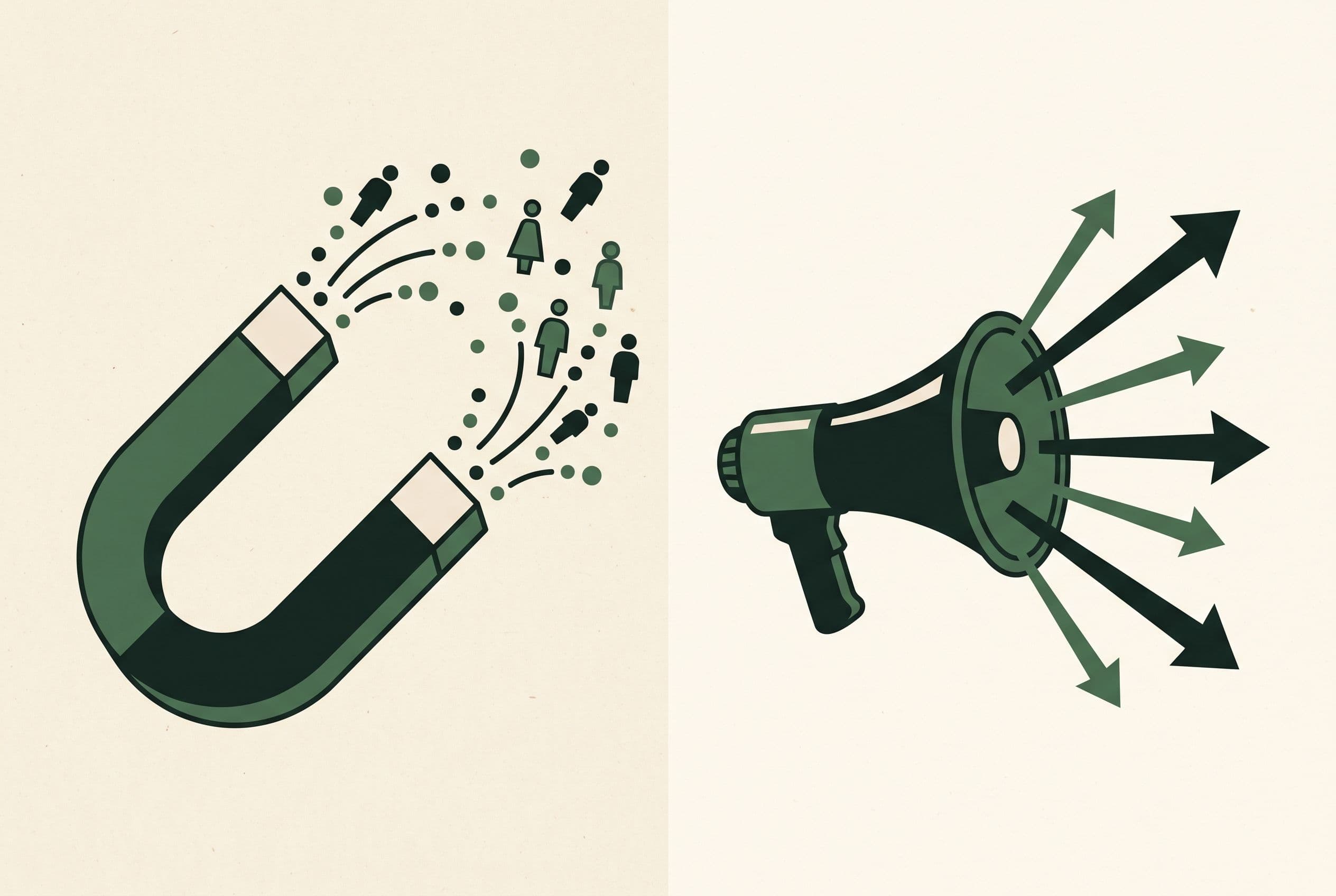
Inbound vs outbound marketing: attract or reach out?
Inbound earns attention by being findable; outbound buys or initiates it. Here's how they differ, where each fits, and why most programs need both.
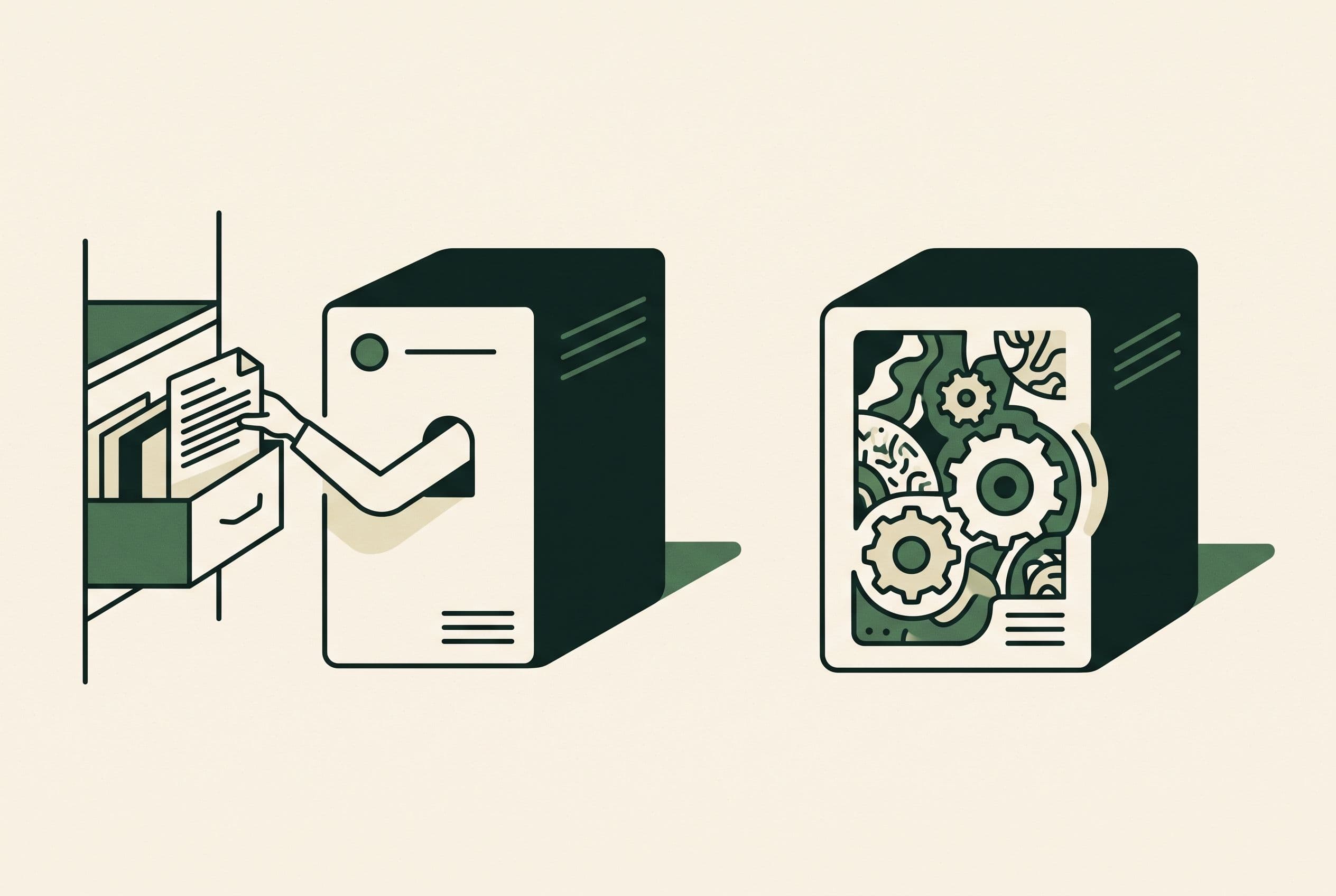
RAG vs fine-tuning: how to add knowledge to an LLM
RAG gives a model knowledge at query time; fine-tuning bakes behavior in during training. They solve different problems — here's how to tell which you need.
SEO vs SEM: what's the difference, and when each wins
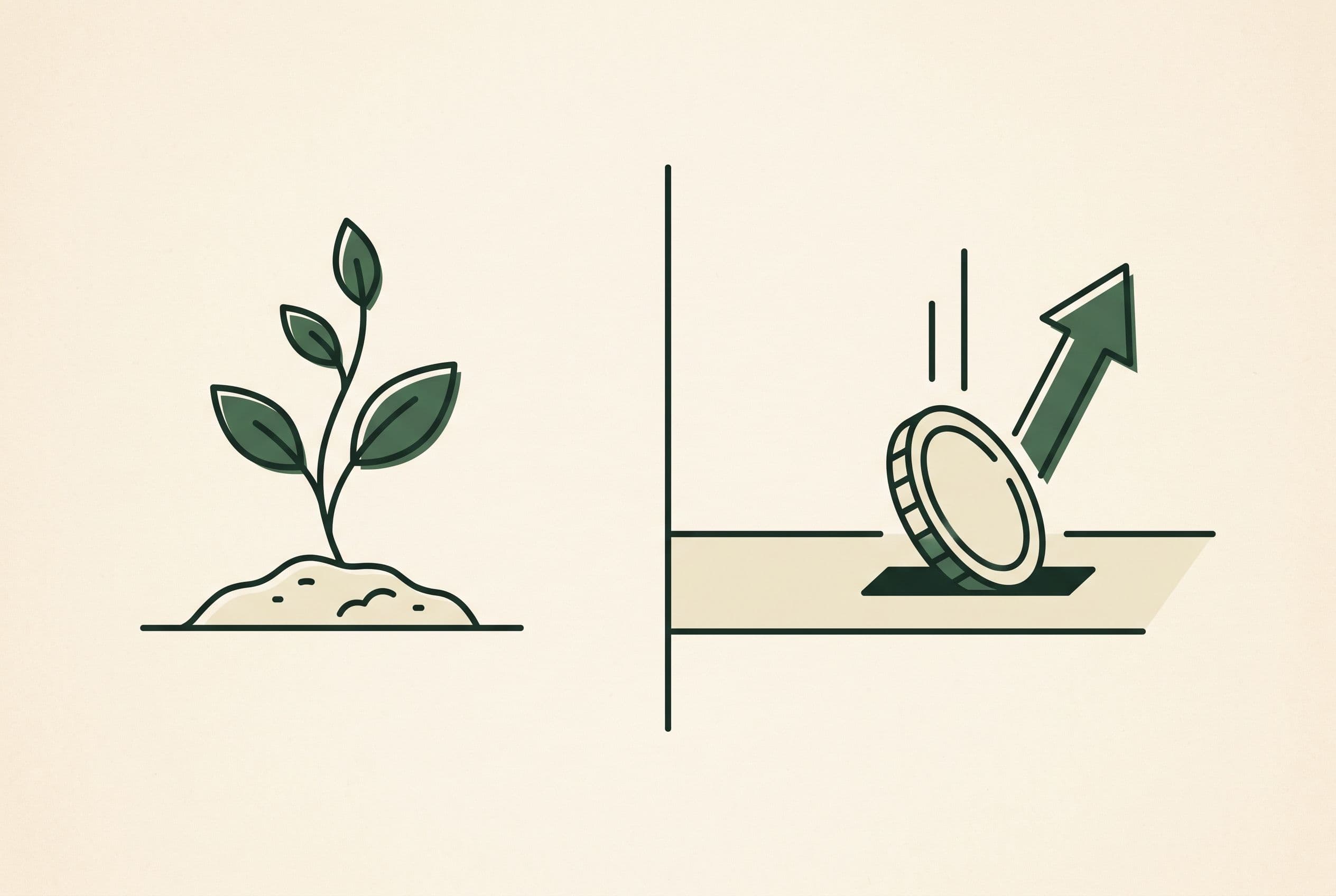
SEM is the umbrella; SEO is one part of it. Here's how the terms actually relate, what each costs, and how to choose between earning traffic and buying it.
What AI Crawlers See in Next.js: 8-Route Lab
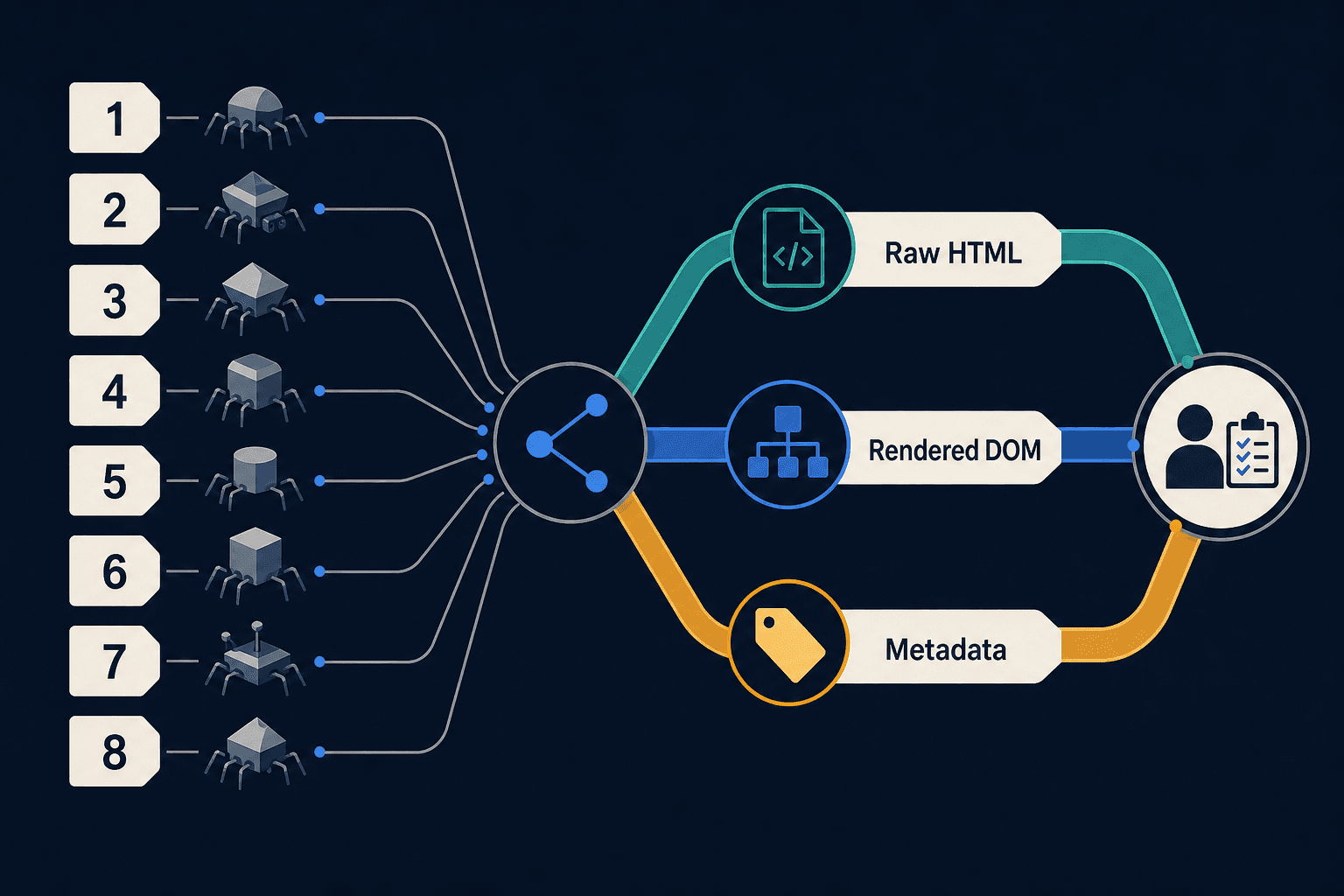
Measure initial HTML, streamed metadata and rendered DOM across eight Next.js App Router routes and selected AI crawler user agents.
Can You Trust Your LLM Judge? A Calibration Lab
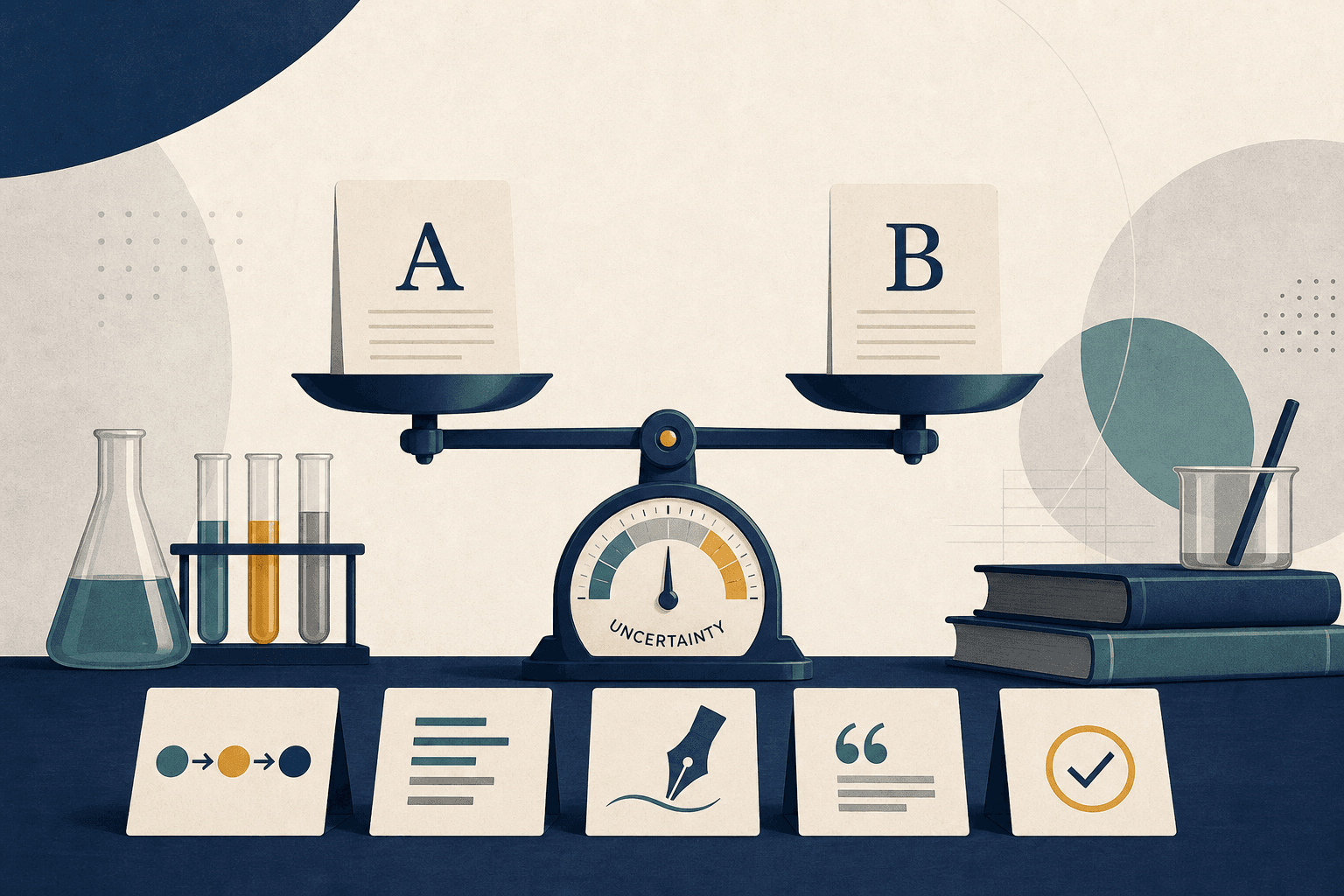
Test an LLM judge for order, verbosity, format, citation, and correctness bias using blinded human labels, swap tests, confusion matrices, and bootstrap intervals.
How to build an AI agent that actually works
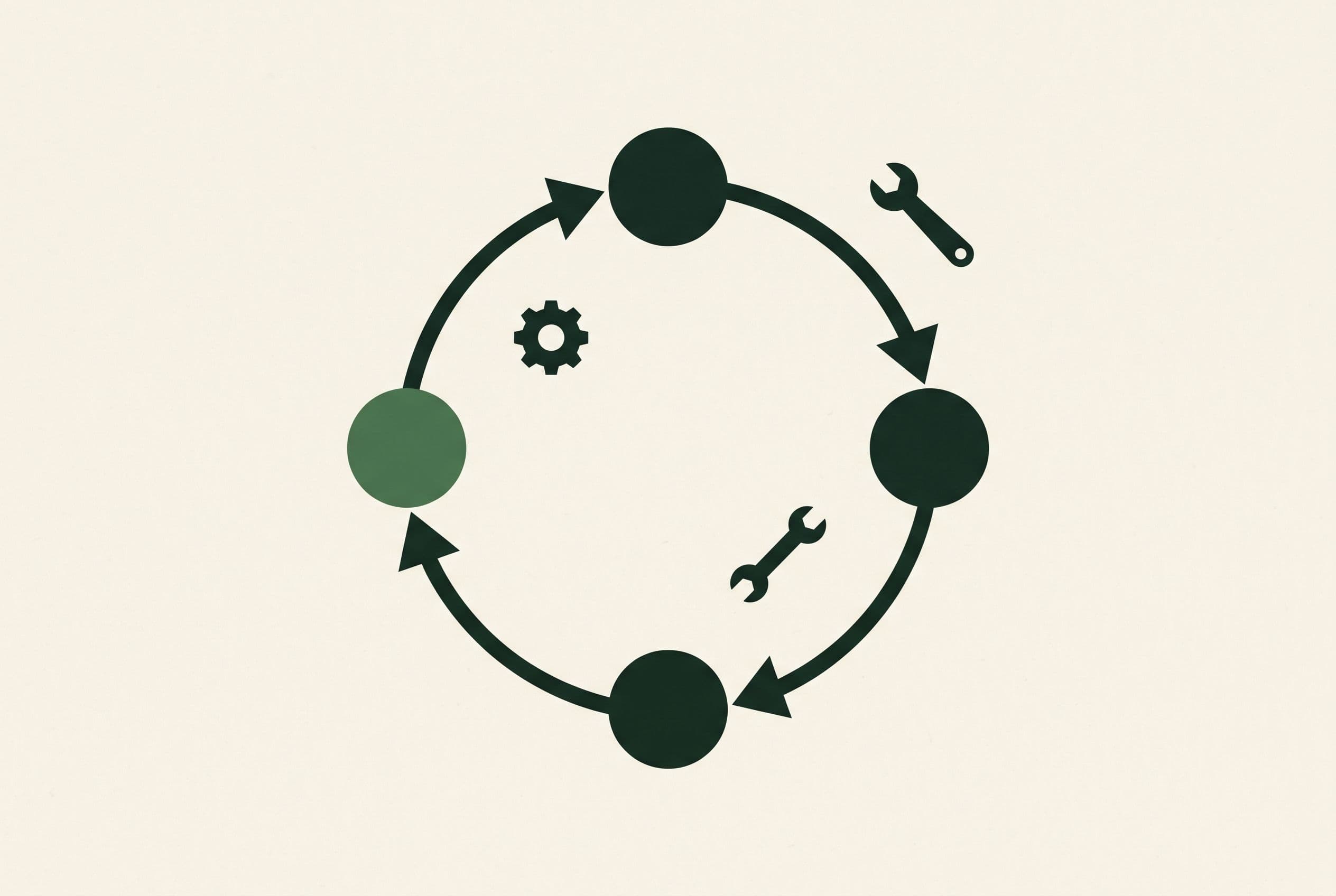
An AI agent is a loop, not a prompt: a model, a set of tools, and a stopping rule. Here is the architecture that holds up in production — and the failure modes that sink most first attempts.

Marketing mix modeling, explained for practitioners
As tracking-based attribution erodes, marketing mix modeling is having a second life. Here is what MMM does, how it differs from attribution, and where it helps and misleads.
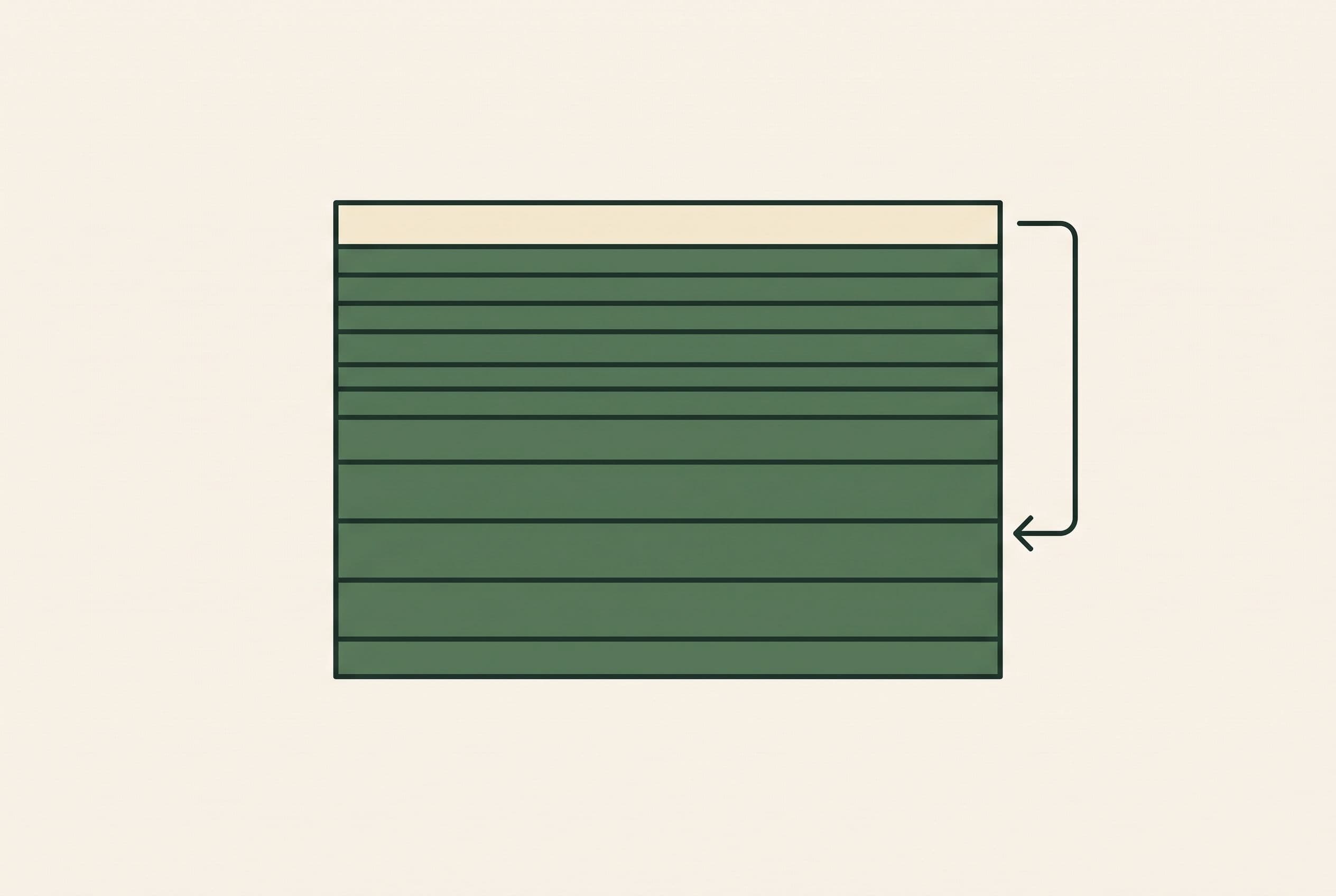
Prompt caching, explained: the cheapest way to cut LLM costs
If your prompts share a long, stable prefix — a system prompt, a document, a tool schema — prompt caching can cut input costs dramatically. Here is how it works and when it pays off.

What is CPM? The cost-per-thousand metric, and what it hides
CPM is the price of a thousand impressions — the base unit of media buying. Here is how it is calculated, how it connects to CPC and CPA, and why a low CPM can still be expensive.
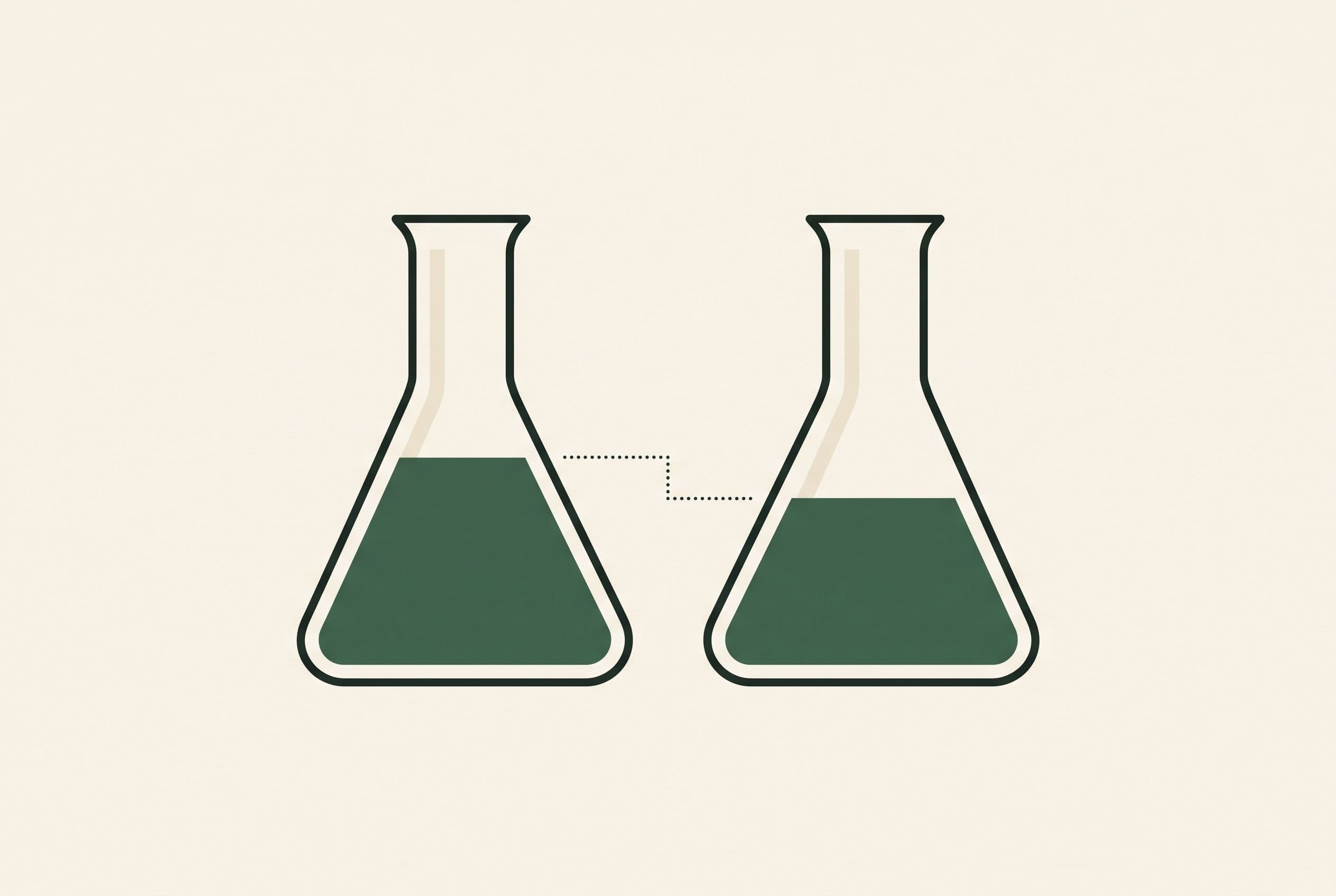
A/B testing without fooling yourself
Most failed experiments are not wrong tests — they are tests read wrongly. Sample size before you start, significance the right way, and the peeking trap that manufactures winners out of noise.
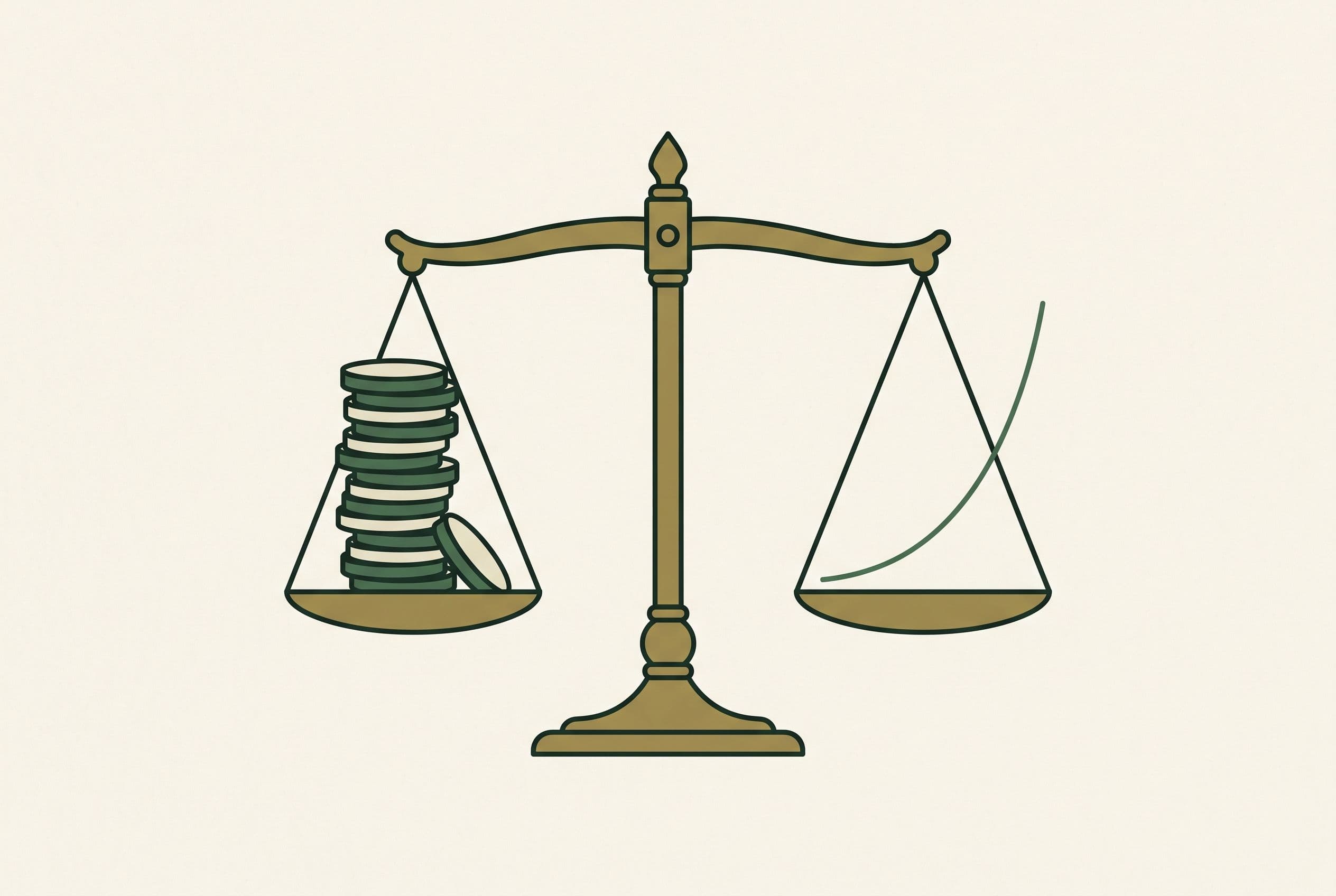
ROAS vs ROI: the break-even math most advertisers get wrong
A high ROAS can still lose money. Here is the break-even math that turns an abstract ratio into a clear profit-or-loss line — and why margin, not a benchmark, decides what 'good' means.

What it actually costs to run an AI agent
AI agent costs do not scale linearly with steps — they compound, because every step re-sends the whole conversation. Here is the mental model, the math, and the three levers that keep the bill sane.

How to Use AI Agents for AI SEO Safely
Use AI agents for research, technical audits, claim tracking, testing, and measurement in AI SEO—with a human approval gate and reusable code.
New writing in your inbox
Occasional notes when I publish a new explainer or experiment. Unsubscribe anytime.